
Most garden plants come from other parts of the world. A fraction of introduced species aggressively escape gardens and overtake natural areas. Those that harm ecological or economic resources are known as “invasive.” Now Fairfax Tree Rescuers PRISM has developed a training program to help small-business landscapers learn best practices to stop the spread of invasives for the benefit of their clients - and our region. So how can this benefit your business?
Build expertise
More customers are seeking knowledgeable landscapers who know best practices for removing harmful invasives while protecting native plants and habitat. Help your clients meet their goals.
There are a seemingly endless variety of invasive plant species - and of advice on how to address them. We offer a curated, bilingual user experience of vetted best practices with a focus on the most common problem plants you’re likely to encounter, and resources for when you come across plants that are less common.
Get training
Good training helps employee retention. Our hybrid online/in-person training program is bilingual, self-paced, flexible enough for late-season hires - and won’t break the bank.
Raising your employees’ skills is also key to become more marketable to designers and commercial clients, who struggle to find conventional landscaping contractors who understand native plants and best practices for managing invasives.
Get ahead
Stay ahead of your competitors – by getting ahead of new state and local
laws that take aim at reducing the sale and planting of invasive nursery plants. We will help.
Starting in 2027, plant nurseries in Virginia will be required to warn their customers about invasive plants in their inventory.
Learn now about which plants are going to lose popularity - and attractive native plant alternatives.
Work year-round
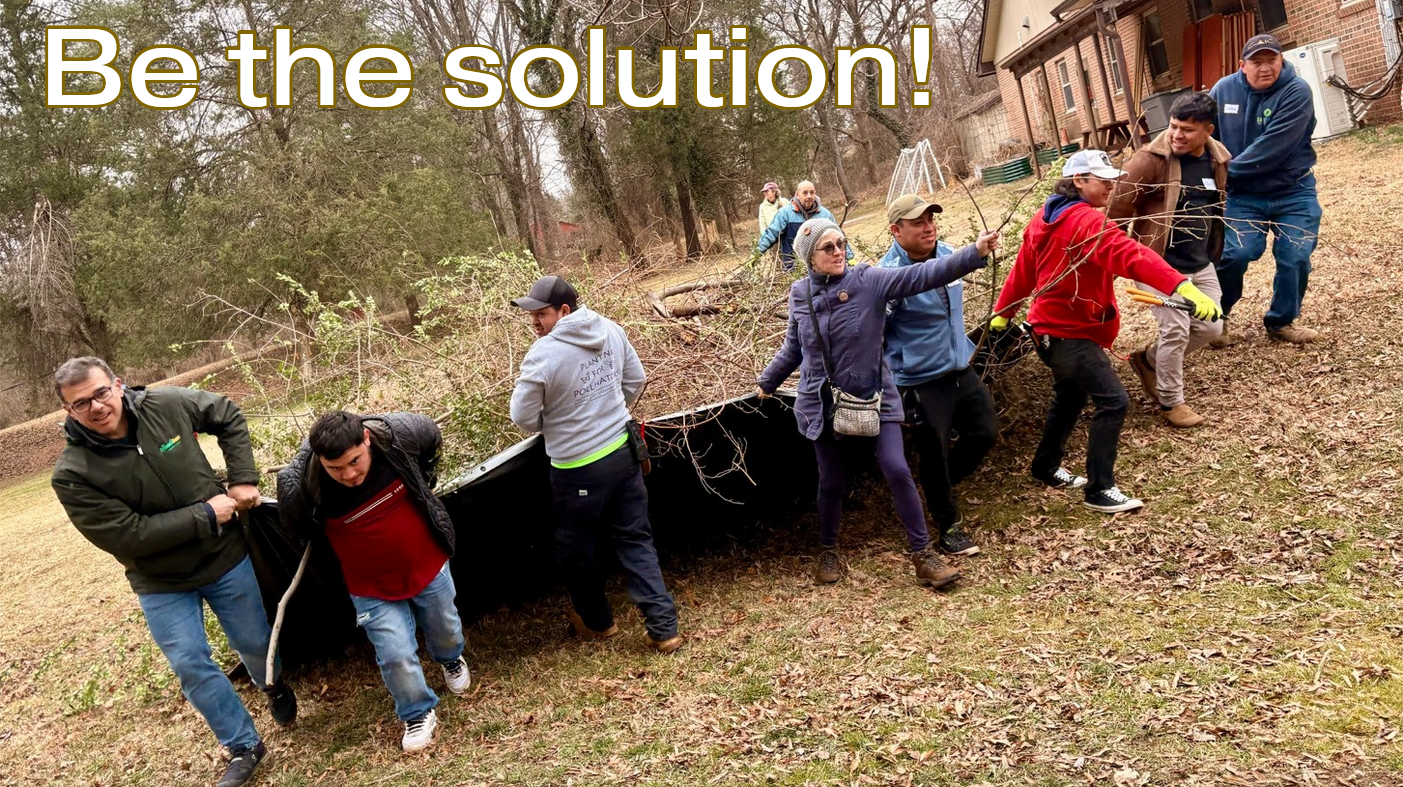
Winter may be “off” season for planting, but it’s “on” season for removing invasive plants most efficently and cost-effectively. Increase your value to your customers while stabilizing your business.
HOAs and commercial properties are required to keep their rights-of-way clear of invasives. They are more likely to do so if their contractor understands invasives and offers competitive prices and maintenance packages in the “slow” season.