Mini-grant Aids in Recovery of Native Vegetation in Reston
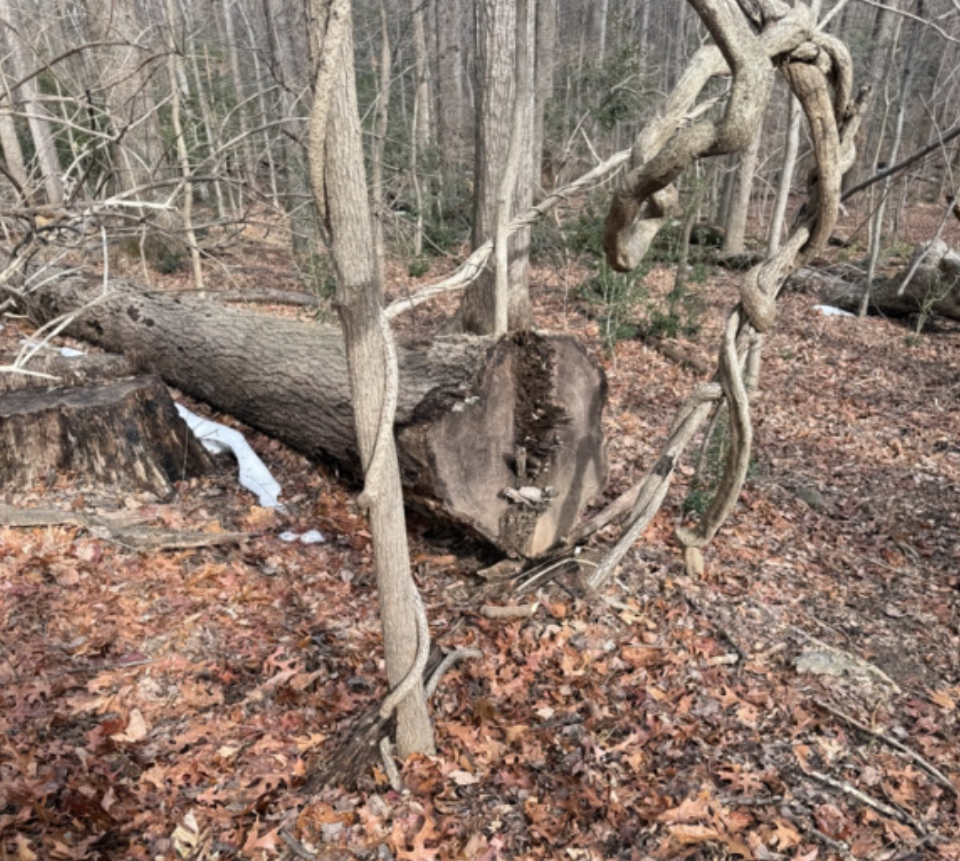
The Soapstone Cluster HOA undertook an invasive species removal project to protect mature trees and improve forest health within the community. The project focused on the removal of invasive vines and shrubs that were threatening the long-term health of established trees.
Main Species of Concern: English ivy, invasive honeysuckle, invasive bittersweet, and Chinese privet
Work by Volunteers:
- Cutting tree-climbing vines at chest height and again near the base to create a 4-foot window
- Hand-pulling smaller vines and groundcover from trees and forested areas
- Cutting larger shrubs and vines at ground level to prevent regrowth
- Herbicide treatment on stumps by a Master gardener
- Hauling of light debris
Work by the Contractor: Soapstone cluster hired BrightView as a grant-funded contractor.
- Removal of Chinese privets
- Cutting of invasive honeysuckle facing the woods
- Hauling and disposal of debris
Project Outcomes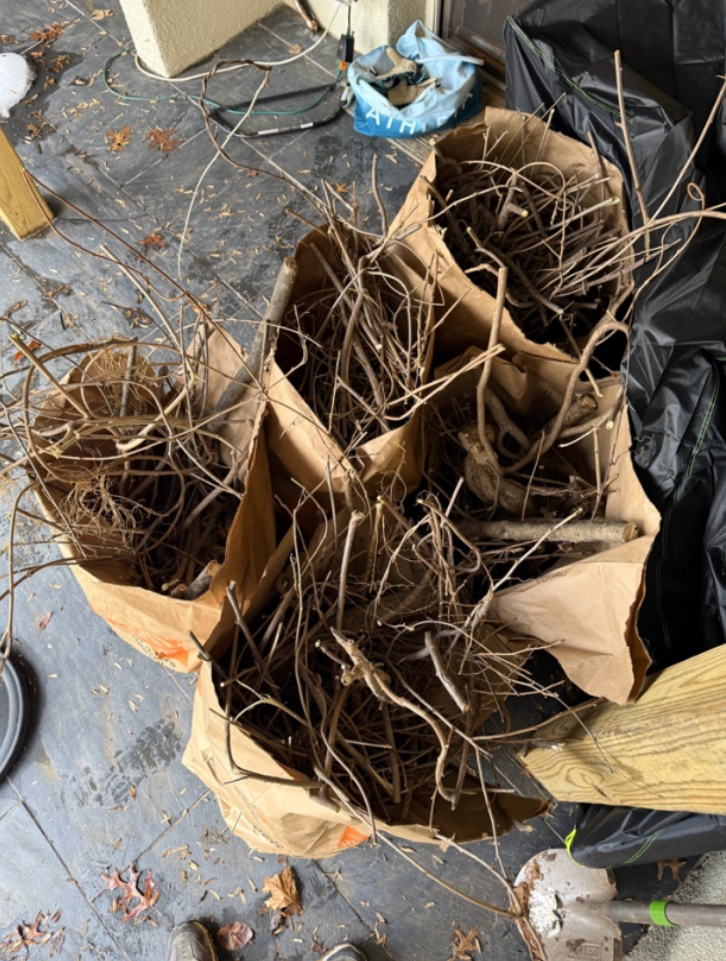
The invasive species removal project resulted in meaningful ecological improvements to Soapstone Cluster’s common areas, improving light availability, reducing vine load, and supporting long-term tree health. As a result of these efforts, invasive growth was reduced in targeted areas, allowing native vegetation to recover.
Volunteer Hours: Fourteen community members completed a total of 22.5 volunteer hours, exceeding the minimum 50% contribution match of 22 hours ($34.79/hr).
Scope of the Work: The project saved approximately 30-40 mature trees and 3 acres of land.
Financial Summary
Soapstone Cluster requested a reimbursement of $1,528.11 and were required to meet a 50% contribution match of $764.06. They completed 22.5 volunteer labor hours to meet contributions, equaling a $887.15 match ($34.79/hr) and exceeding the minimum required match by $123.09.
Community Education
Community education and outreach were integrated throughout the project to raise awareness of invasive species, promote the rescue of mature trees, and encourage long-term stewardship of Soapstone Cluster’s common areas.
Outreach Activities
- The work sites were located in visible areas seen daily by residents, pedestrians, and trail users. Signage and volunteer workdays provided excellent public visibility and educational value to approximately 100 individuals (80 households) and frequent trail walkers.
- Educational brochures were distributed to residents with the January and March community newsletter, and door hangers with the February community newsletter
- 14 volunteers were educated on the proper way to identify different invasive vines, cut ivy and remove from trees and the ground.
Next Steps
The mini-grant funded project established a foundation for continued invasive management and community stewardship within the neighborhood, starting off the Clusters 3-year Long-Term Invasive Management Plan. The primary goal of this long-term management plan is to achieve and maintain a reduction in canopy-threatening invasive vines as well as a reduction in invasive shrub biomass in the next 3 years, while simultaneously restoring native biodiversity
3-year Long-Term Invasive Management Plan:
- Identifies management plans for each priority species: Chinese privet, English ivy, oriental bittersweet, bush honeysuckle and Japanese stilt grass.
- A Master Gardener, who is a resident and member of the HOA, will train volunteers from the neighborhood on the best removal practices for each species, giving them a title of “Invasive Strike Team Leaders” (IST Leaders). IST leaders will then be allowed to lead volunteer workdays and conduct pre-work safety briefings.
- Residents who do not become IST Leaders will be encouraged to volunteer for the workdays.
- The HOA Board will oversee budgeting, support, documentation, reporting, and administrative duties.
- Soapstone will continue educational outreach through signage, newsletters, brochures, and doorhangers. They will promote native landscaping and encourage involvement in volunteer workdays and training.