
What Homeowners need to know
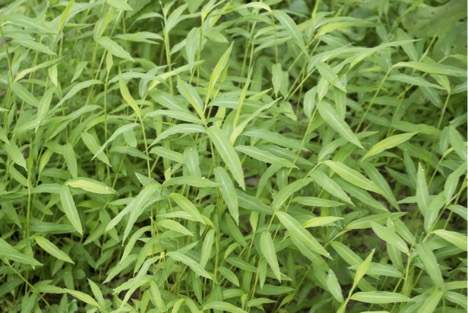
Japanese stiltgrass (Microstegium vimineum) may appear soft and harmless, but this invasive annual grass forms dense carpets that overwhelm native plants, prevent forest regeneration, and reduce scenic and ecological value. As the Blue Ridge PRISM fact sheet notes, even small infestations “form a dense groundcover that smothers native plants and prevents regeneration of forests and fields.” Once established, stiltgrass spreads rapidly and can dominate entire landscapes within a few years. If you see a forest floor that is entirely green, take a look - there is a good chance that you are seeing Japanese Stilgrass where you should be seeing leaf litter.
Why Japanese Stiltgrass Is a Problem
This fast‑spreading grass causes significant ecological and practical damage:
- Outcompetes native wildflowers, shrubs, and tree seedlings
- Reduces biodiversity and wildlife habitat
- Forms thick mats of dried stems that increase fire risk
- Spreads easily along trails, roads, and waterways
- Thrives in sun or shade, wet or dry soils
- Produces up to 1,000 seeds per plant, enabling rapid expansion
Because it dies back each fall, stiltgrass leaves behind a straw‑colored layer that fuels intense spring fires and suppresses native plant recovery.
How to Identify It
Japanese stiltgrass is distinctive once you know what to look for: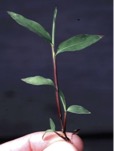
- Slender, wiry stems that grow 6 inches to 4 feet tall
- Flat, lance‑shaped leaves (2–4 inches long) with a faint, off‑center silvery midvein
- Alternate leaf arrangement along the stem
- Smooth stems that pull easily from the ground
- Branched, stilt‑like roots at the base
- Straw‑colored mats of dried stems in winter
Seedlings emerge from April to June and quickly form spreading patches.
How It Spreads
Japanese stiltgrass spreads through abundant seeds that remain viable in the soil for up to seven years. Seeds are dispersed by:
- Water flowing downhill or along streams
- Soil movement on boots, tires, and equipment
- Wildlife and livestock
- Mowing and trail maintenance
- Overbrowsing by deer, which reduces native competition
On top of all that, Japanese Stiltgrass contains chemicals that inhibit the germination and growth of native plants.
How to Control It
Effective control requires persistence over several years due to the long‑lived seedbank.
Manual & Mechanical Control
- Hand‑pulling is effective for small patches, especially in moist soil
- Remove plants before seed set (mid‑ to late summer)
- Mowing works best just before flowering (August–September)
- Cut as low as possible to remove all flowers
- Leave clippings only if seeds have not formed; otherwise bag and dispose
Herbicide Options
- Stiltgrass is easily killed with low‑concentration herbicides
- Grass‑selective herbicides protect native wildflowers and are most effective, but there are no aquatic-safe products available, so they cannot be used near water.
- Broad‑spectrum herbicides work best in early summer when plants are actively growing
- Treat lawns with pre‑emergent crabgrass products in early to mid March (earlier than you would apply for crabgrass) to prevent germination,
Long‑Term Strategy
- Expect to treat for multiple consecutive years
- Monitor upstream or upslope areas to prevent reinfestation
- Scout trails, roadsides, and streambanks regularly.
After Removal: Restore the Site
Because stiltgrass suppresses native vegetation, cleared areas may be thin or bare. Replanting with native grasses, sedges, and wildflowers helps stabilize soil and resist reinvasion. Continue monitoring through summer and remove new seedlings promptly.
---
Source: Blue Ridge PRISM, Japanese Stiltgrass Fact Sheet