
As Thanksgiving comes around, it’s a good time to reflect on the tremendous support we receive from volunteers and other organizations who share our commitment to creating healthy green spaces in Fairfax County.
As you’ll read below, this year’s Fall Extravaganza offered some powerful examples about what can happen when we all work together toward a common goal.
The power of partnership
It’s no coincidence that the first letter in PRISM stands for “partnership.” Fairfax Tree Rescuers PRISM’s Fall Extravaganza provided many examples of the synergy that happens when people and groups work toward the common goal of healthy green spaces.
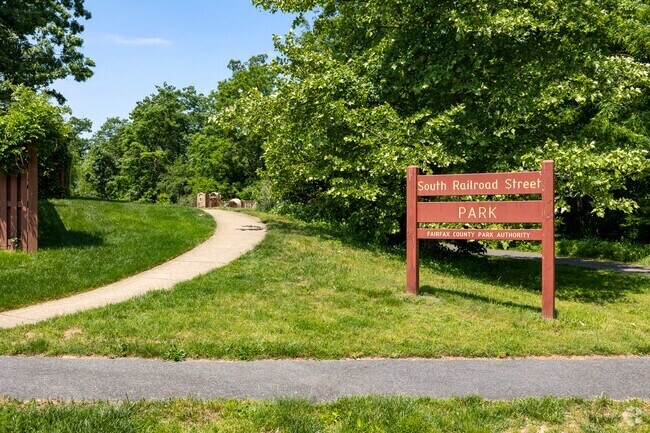
One great partnership took place at South Railroad Street Park in the Dunn Loring neighborhood. The small park wasn’t on anyone’s radar until some PRISM volunteers wanted to stage a tree rescue in the neighborhood. PRISM leadership introduced them to a Fairfax County Park Authority Invasives Management Area team lead who determined that numerous invasive vines were stifling the park’s trees. She volunteered to take time from her primary responsibilities with McLean Trees Foundation to serve as team lead for a tree rescue.
Eight volunteers worked to clear invasive Chinese wisteria, porcelain berry, and honeysuckle, freeing eight trees and preparing the land for future native plantings. A subsequent county-led event rescued another six trees. During the events, the Friends of Holmes Run expressed interest in helping, as the park includes part of its watershed. They conducted a site visit and plan to reach out to the adjoining HOA to educate homeowners about invasives on their land. The county has assigned an IMA team lead to the site, and the PRISM volunteers who initiated the event are also tree rescuers who will continue to monitor and remove invasive vines. They’ll also educate residents about the combined efforts at the park, which brought together our own volunteers and staff from several organizations to give this neighborhood park the TLC it needs.
Tool Lending Library for rescuing trees available
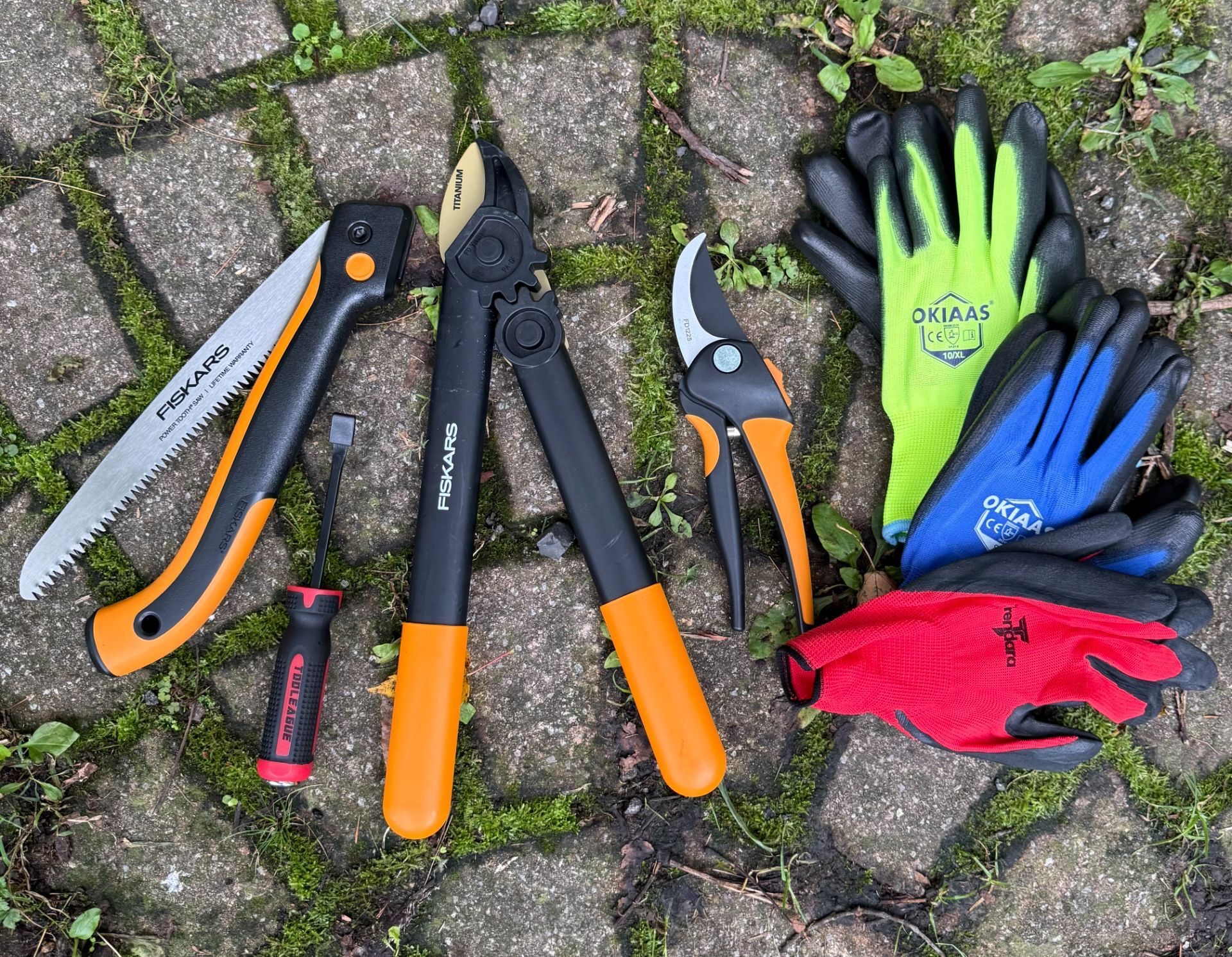
We have purchased loppers, clippers, and saws which are staged around the county for residents to borrow, either to save trees on their own property or to lead events. If you would like to borrow a few tools or the whole kit, which has enough tools for ten people, fill out this form.
Request a site visit
We have completed another successful round of mini-grants for community associations and faith communities. We hope to have funding to do more in the future. Meanwhile, our expert volunteers would be happy to visit you community property and help you identify issues and create a long-term management plan.
Help us identify and document invasive plant problem areas
Our community can’t fix problems unless it knows about them. Here are two ways you can help.
If you have little or no experience identifying plants, you can still be of great help! Volunteers walk or drive through residential neighborhoods counting trees that are covered in vines and dropping off door-hangers to alert owners. Sign up on the Plant NOVA Trees website.
If you have some experience identifying invasive plants, your skills are very much needed! Our current goal is to walk the trails in every park in Fairfax/Falls Church and seek out severe infestations while giving the parks an overall grade. Please fill out this interest form so we can send you the details.
Hundreds of Tree Rescuers needed for parks
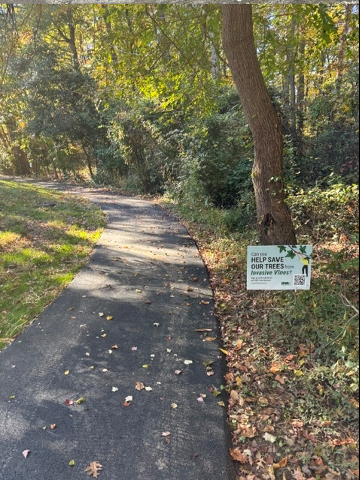
Could you spend some time in your local park clipping invasive vines that threaten trees? Special training is available to receive authorization to do that. With 550 parks in Fairfax, we need about 1,000 adults to become Tree Rescuers, who are authorized to work independently. Read more here.
Rescue trees along the George Washington Memorial Parkway
The National Park Service staff is welcoming Fairfax County Park Authority Tree Rescuers to clip invasive vines on the trees along the George Washington Memorial Parkway. Anyone who has been certified as a FCPA Tree Rescuer can contact staff members for authorization to help save the thousands of trees at risk from English ivy, porcelain berry, and other invasive vines taking over the park. Read about the requirements here.
Listen to “Ask the Experts” recording
Invasive plant management professional Kayla Cross recently led a Zoom meeting to answer questions submitted ahead of time. The details she provided would be difficult to find on the Internet, so this was a treat for anyone with a serious invasive plant problem. Topics included autumn olive, tree of heaven, kudzu, wisteria, Japanese and bush honeysuckle, Japanese stiltgrass, bamboo, and lesser celandine. You can see the recording here.
Blue Ridge PRISM webinars available to stream
Hungry for more details about invasive plant ID and management? Blue Ridge PRISM puts on seasonal webinars for both ID and control. Sign up for notification here.
Extravaganza II had its own poet laureate
The Tree Rescue Extravaganza II was as beautiful as this year’s fall foliage, and it was crowned by this poem by a Lake Barcroft participant.
Neighbors Helping Neighbor-trees
As neighbors help neighbors to save neighbor-trees
So satisfying—this timeless task
Of clearing our leafy neighbors’ paths
To richer, longer, deeper growth.
Together we breathe, their exhalations
While ensuring future walks–future
“forestbathings”
As tree and human rejoice in reciprocal exaltations!
We walk, play, ponder, pause,
And say, “Together we, neighbors tend
Our leafy neighbors—just because.”
And perhaps,
perhaps…
They respond with breezy leafy whispers,
And their usual, majestic aplomb
“Dear fleshy neighbors,
Thank you, and,
You’re always,
Very
Welcome.”
– Daisy Birch, dedicated to all neighbor
Know your native vines: Trumpet or coral honeysuckle
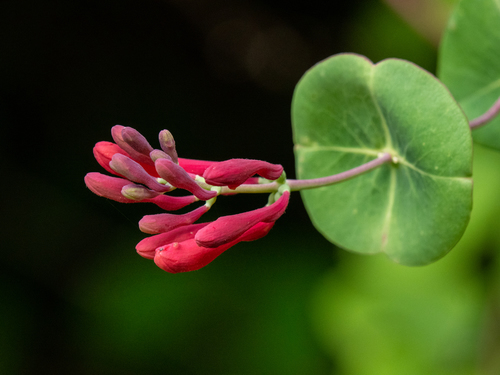
Not all honeysuckle is invasive. While Japanese honeysuckle can strangle native trees, trumpet or coral honeysuckle is a showy native to Virginia, with coral blooms appearing intermittently until frost.
Know your invasive: Wisteria
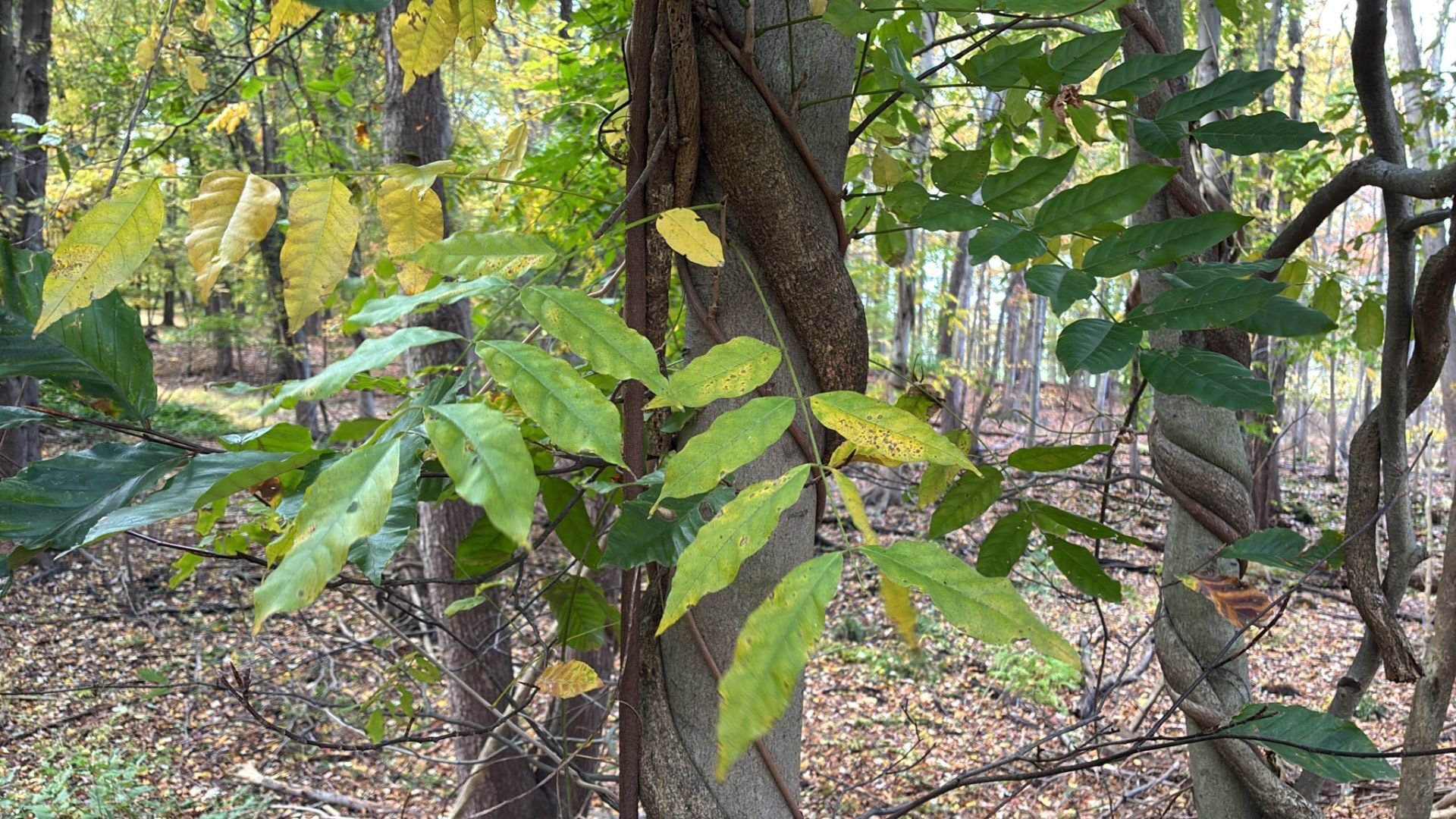
Wisteria can be a nightmare for homeowners, scattering seeds 100 feet into the air and sending runners that can reach 50 feet, strangling trees in its thick vines. A Mason Neck couple hosted a successful event showing how they were able to clear some of their property using power tools and machinery—and uncovered an old house foundation that had been hidden by the vines! Since they have not been using herbicides, they have had to repeat the work over and over, and the surrounding woods remain inundated. They are now ready to see what herbicides will do.
Seven residents of Mason Neck, which has at least a dozen large infestations, gathered to learn how to manage this scourge, including community collaborations, and how to apply concentrate herbicide on cut vines and runners.
Our progress
At our Fall Extravaganza, we hosted 32 events at 21 sites, with 264 attending volunteers and 698 trees rescued. That's just a portion of the trees rescued since our last newsletter.